ERP for Manufacturing Companies in the Philippines Enhance Production, Inventory, and Profitability with a Tailored ERP Solution

Manufacturers in the Philippines face challenges like fluctuating raw material costs, manual inventory management, and compliance reporting. An ERP system for manufacturing centralizes all processes — from procurement to production — giving managers full visibility and control.
If you’re new to ERP, start with our overview guide: ERP System in the Philippines: The Ultimate Guide.

Why Manufacturers Need ERP in the Philippines

ERP software integrates production planning, material management, and financial tracking into a single system — ensuring cost-efficient operations and timely delivery.
Top benefits include:

Key Capabilities:

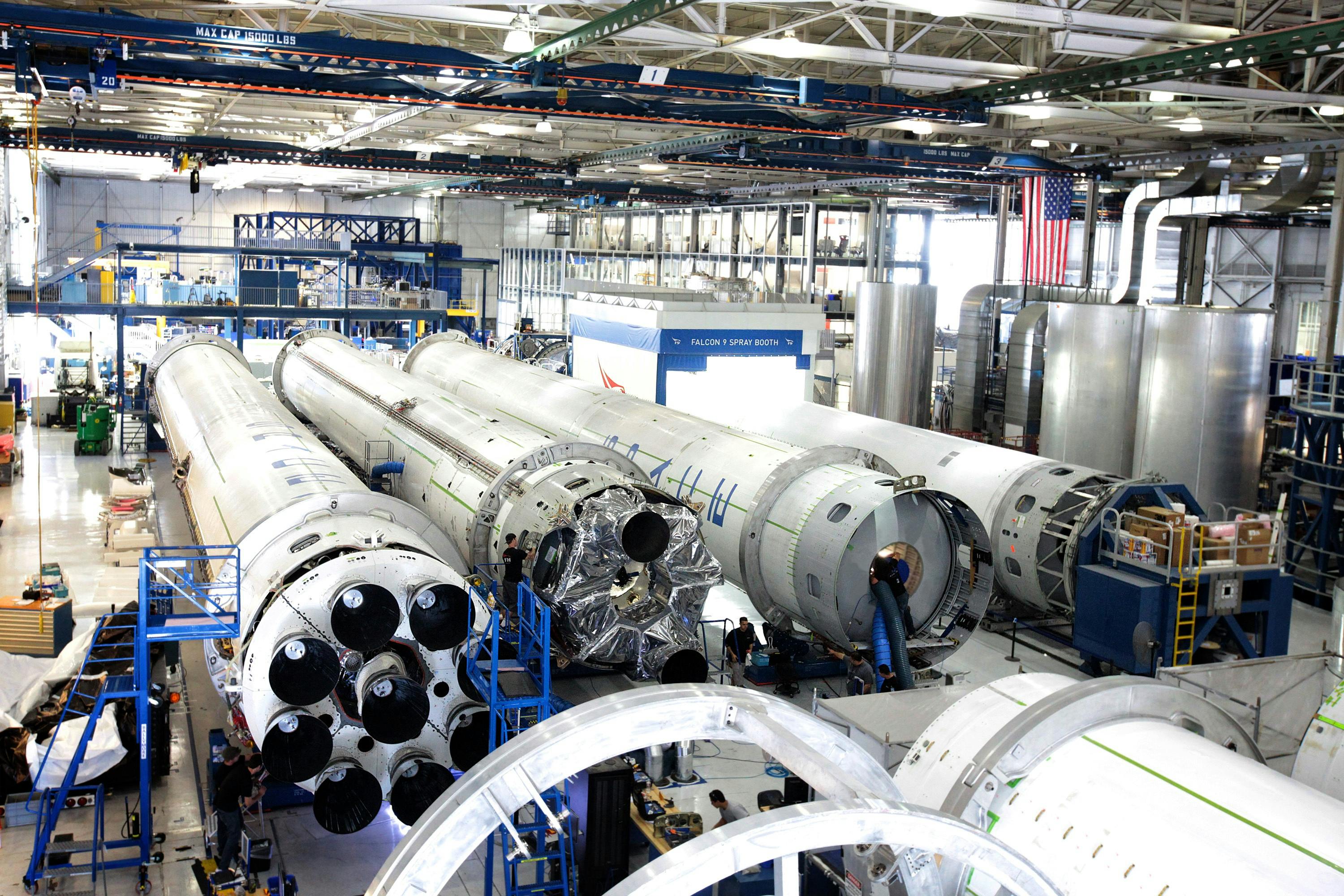
View of a spacecraft assembly line with rockets in a spacious hangar.

Streamlined production scheduling

Skyline view of an industrial factory with tall chimneys against a clear sky.

Real-time raw material tracking

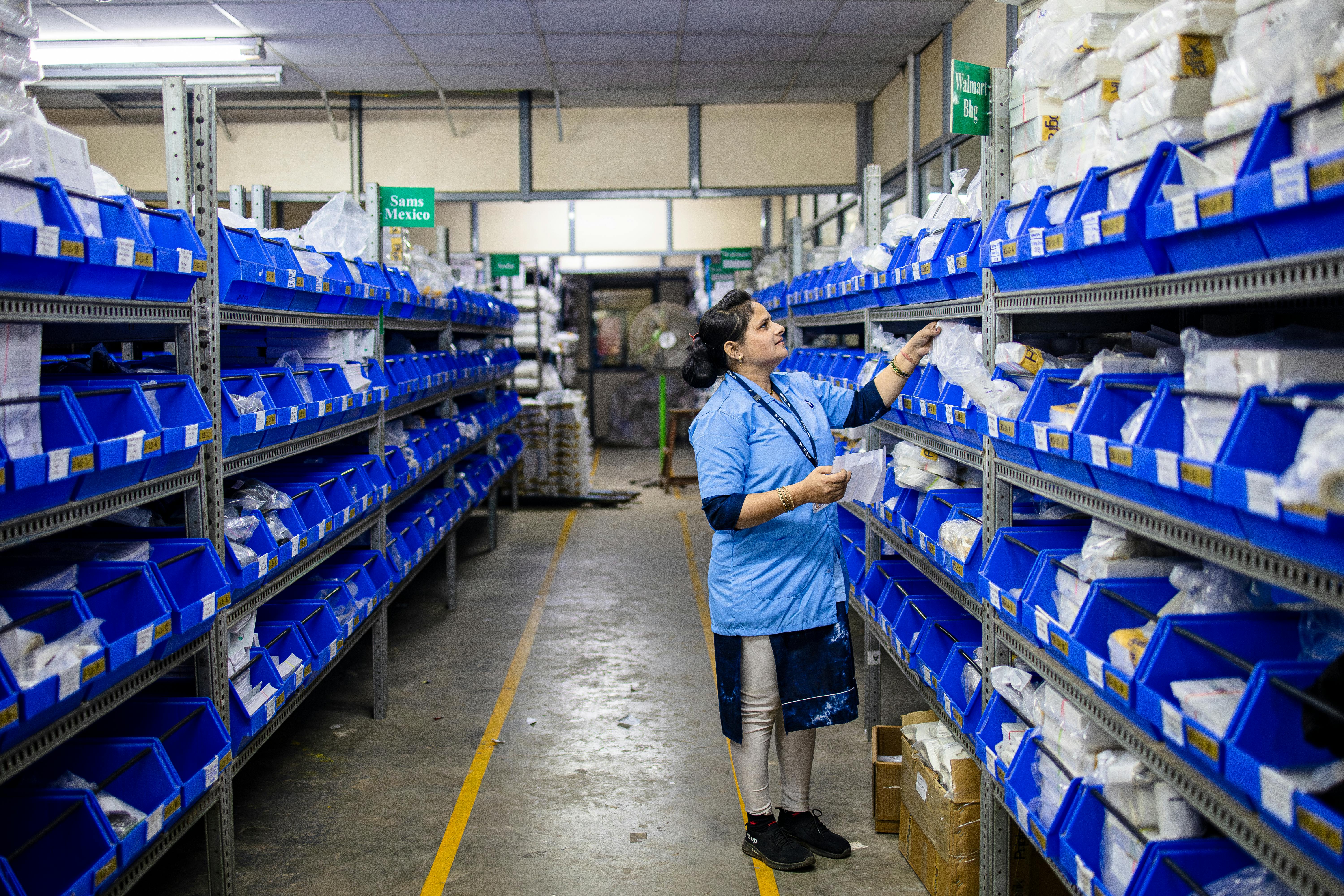
A worker in a warehouse organizing inventory on shelves with blue bins.

Automated purchasing and supplier management

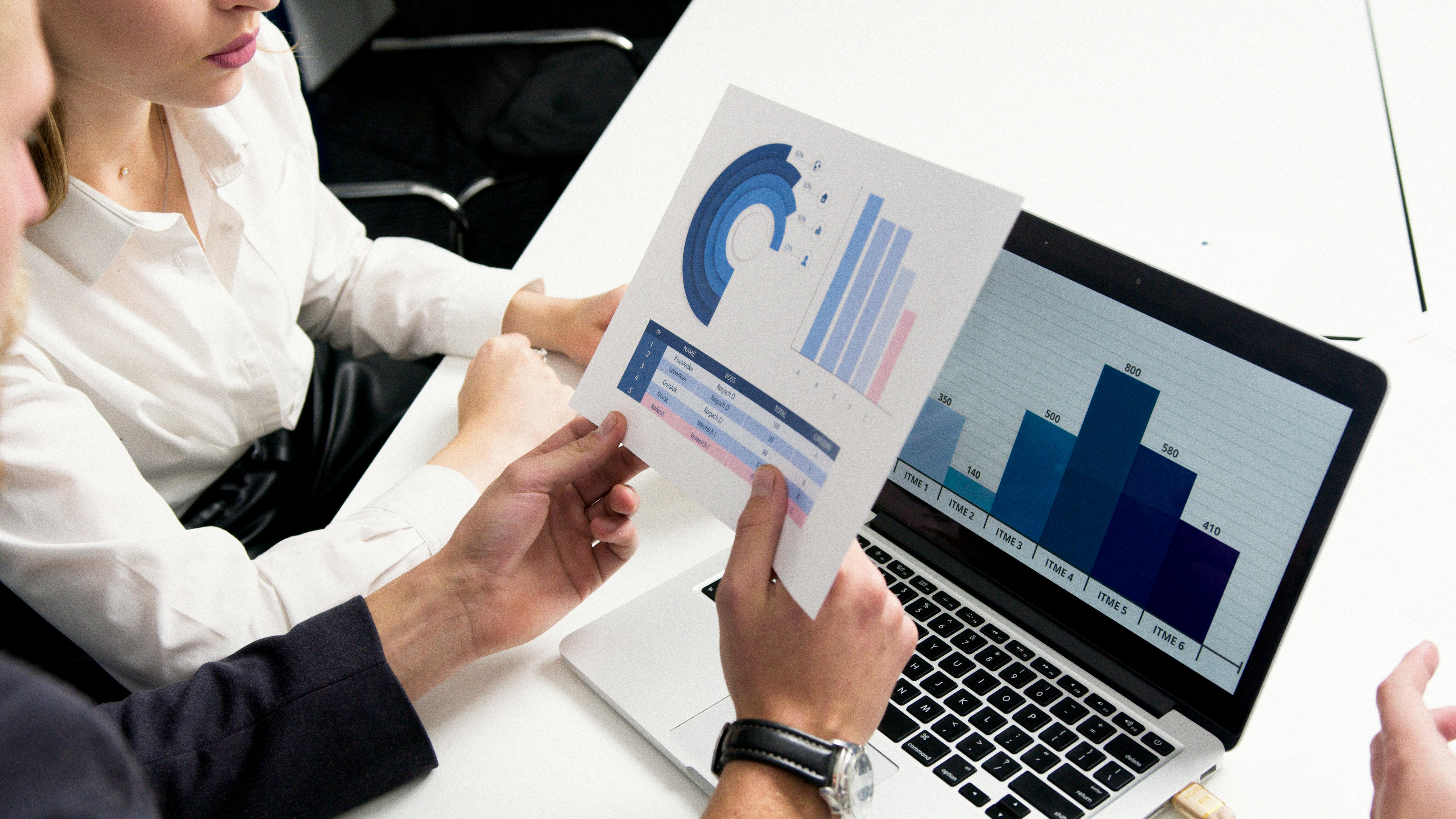
Overhead view of hands highlighting financial documents on a desk.

Improved quality control and reporting

Want to explore features by module? Visit our in-depth breakdown: Top ERP Features Every Philippine Business Needs

Key ERP Modules for Manufacturing Companies

1. Inventory & Supply Chain Management

Gain real-time visibility of raw materials, finished goods, and multi-branch warehouses. Track reorder levels to prevent overstocking or shortages.

Learn more: Top ERP Features Every Philippine Business Needs (Inventory & Supply Chain section)

2. Production Management

Plan, monitor, and adjust production schedules easily. Track job orders, material usage, and machine efficiency to ensure on-time delivery.

Related guide: ERP Implementation Challenges and Best Practices in the Philippines explains how to roll out production modules successfully.

3. Quality Control

Set quality standards and inspection checkpoints during production to maintain consistency and compliance.

4. Financial and Cost Accounting

Track production costs in real time, allocate overheads accurately, and analyze profitability per product line.

For cost comparison by deployment model: Check Cloud-Based ERP vs. On-Premise ERP: What’s Best for Philippine Businesses.

Local ERP Challenges for Philippine Manufacturers

Local ERP challenges for Philippine manufacturers often stem from high customization needs, unstable infrastructure, limited digital skills, and difficulty integrating legacy systems

Key Capabilities:

Aerial shot of a modern industrial park with warehouses in Bình Dương, Vietnam.

Managing multiple sites or warehouses across islands

Two professionals collaborating on financial documents in a modern office setting.

Maintaining BIR-compliant accounting

A colossal cargo ship loaded with containers navigates through calm waters against a vibrant sunset sky.

Handling import/export and supplier payments in various currencies

To address these, Primesoft’s ERP system includes localized reporting and multi-branch management.

Why Choose Primesoft ERP for Manufacturing

Primesoft offers ERP built for the Philippines market — localized for BIR compliance, multi-currency purchasing, and multi-plant production.

Next steps: