

ERP Implementation Challenges and Best Practices in the Philippines

Implementing an ERP system in the Philippines can transform operations — but without careful planning, it may lead to delays or underutilization. Below are key challenges and actionable best practices to ensure a successful rollout.

Common ERP Implementation Challenges

A diverse group of business professionals engaged in a strategic meeting.

Lack of Change Management

Employees may resist new systems due to unfamiliarity or fear of complexity.

✅ Solution: Conduct pre-launch training and regular check-ins.

A vibrant scene with hands pointing at a computer with code on display, suggesting tech focus.

Data Migration Issues

Old or inconsistent data can cause reporting errors.


✅ Solution: Cleanse and validate all data before migration.
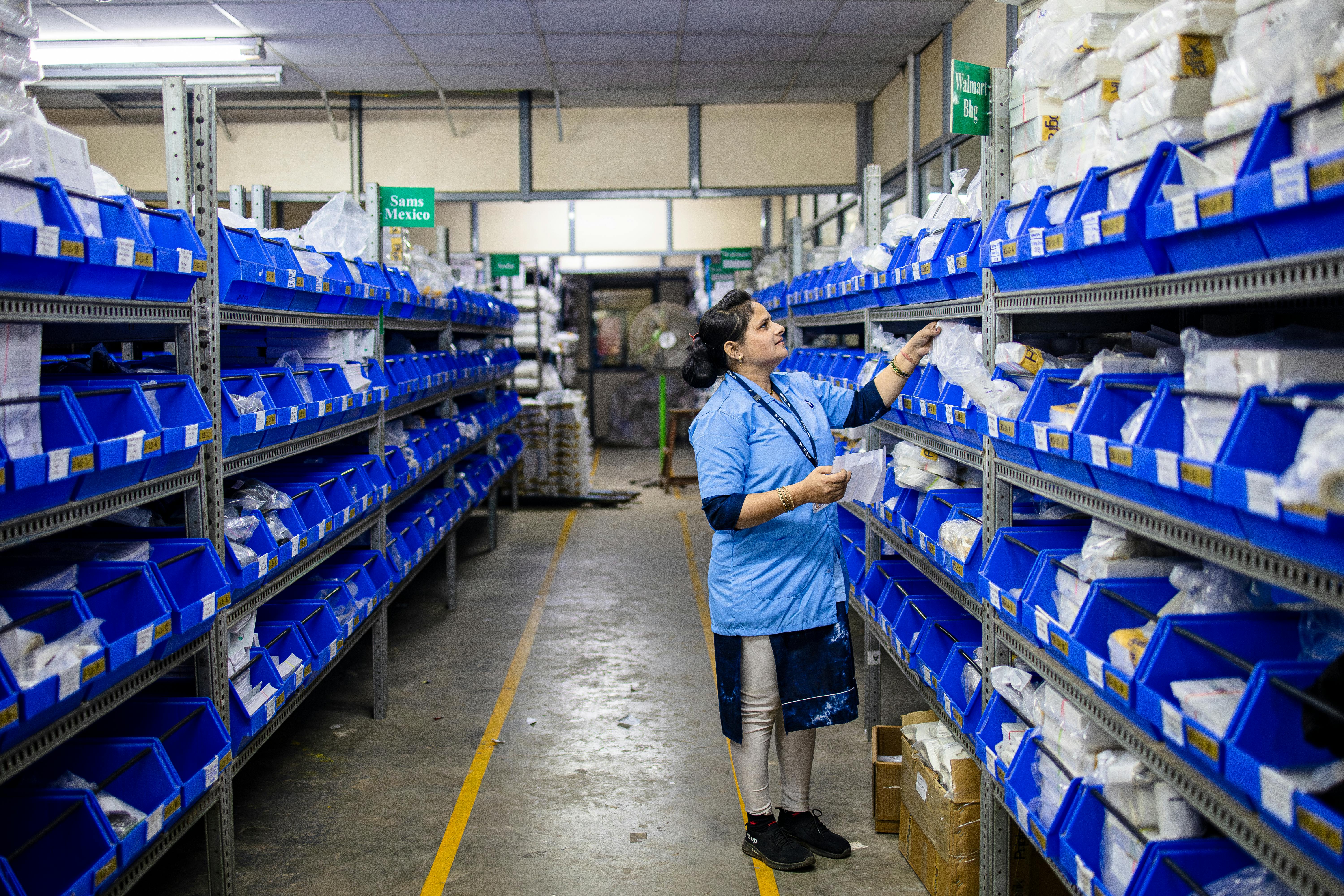
A worker in a warehouse organizing inventory on shelves with blue bins.

Poor Project Planning

Without clear milestones, projects can drift off schedule.


✅ Solution: Use phased rollouts and assign a dedicated internal ERP champion.

If you’re still in the planning stage, start with this: ERP System in the Philippines: The Ultimate Guide to Streamlining Business Operations.

ERP Implementation Best Practices

1. Set Clear Objectives

Define measurable goals, such as improving inventory turnover or reducing payroll processing time.

2. Choose the Right Deployment

Evaluate between Cloud ERP and On-Premise ERP.
See our guide: Cloud-Based ERP vs. On-Premise ERP: What’s Best for Philippine Businesses.

3. Train and Support Your Team

Continuous learning ensures user adoption. Incorporate feedback during pilot testing.

4. Partner with a Local ERP Provider

Local vendors like Primesoft understand the Philippines’ compliance, taxes, and payroll better than global-only providers.

Post-Implementation Optimization

Once deployed, monitor KPIs to assess ERP success — production lead times, financial accuracy, and cost efficiency.

Next, optimize modules like:

How Primesoft Ensures ERP Success

Primesoft provides guided implementation using structured phases — from requirements analysis to go-live support.
We offer localized training, ongoing updates, and 24/7 support tailored for Filipino businesses.

Explore the bigger picture: ERP System in the Philippines: The Ultimate Guide.