

Cloud-Based ERP vs. On-Premise ERP: What’s Best for Philippine Businesses Find Out Which ERP Deployment Model Fits Your Company’s Needs and Budget
Choosing between Cloud ERP and On-Premise ERP impacts cost, scalability, and control. Understanding the trade-offs helps you make a long-term, cost-efficient decision.
If you’re new to ERP, start with our main guide: ERP System in the Philippines: The Ultimate Guide to Streamlining Business Operations.
What Is Cloud-Based ERP?
Cloud ERP is hosted online and accessed via browser. Ideal for companies seeking fast setup, minimal IT maintenance, and predictable monthly costs.
Benefits:

Lower upfront investment

Remote access for distributed teams

Automatic updates and data backup

Subscription-based pricing

What is on-premises ERP?
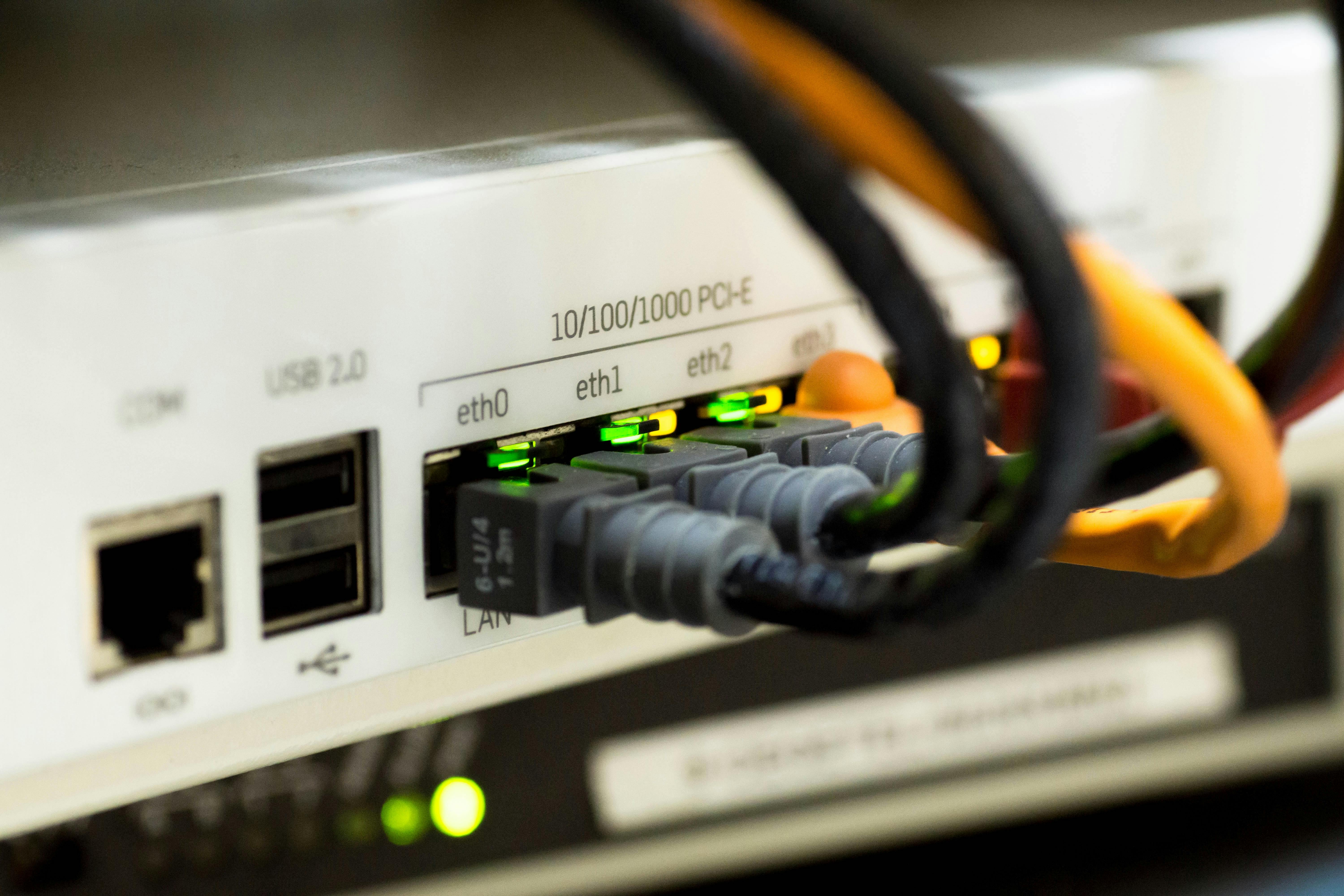
On-premise ERP is installed on local servers and managed by in-house IT. Suitable for companies that need greater data control and customization.
Benefits:

Complete control over data and security

Greater customization options
Works even with limited internet connectivity
Want to explore how deployment affects cost and productivity?
Read: ERP Implementation Challenges and Best Practices in the Philippines.
Cost Comparison: Cloud vs. On-Premise
Feature
Cloud ERP
On-Premise ERP
Upfront Cost
Low
High
Maintenance
Vendor-managed
In-house
Updates
Automatic
Manual
Scalability
Easy
Limited by hardware
Accessibility
Anywhere
Local only
Industry Insight: Manufacturers and multi-site businesses often benefit from hybrid or cloud ERP setups. See examples: ERP for Manufacturing Companies in the Philippines.
Which ERP Deployment Is Best for You?

Choose Cloud ERP if
you want flexibility, faster deployment, and minimal IT management.

Choose On-Premise ERP if
your operations demand data sovereignty or extensive customization.
How Primesoft Helps You Choose
Primesoft offers both cloud and on-premise ERP tailored for the Philippines market. We assess your infrastructure, user base, and compliance needs before recommending the best option.
Explore next:
